



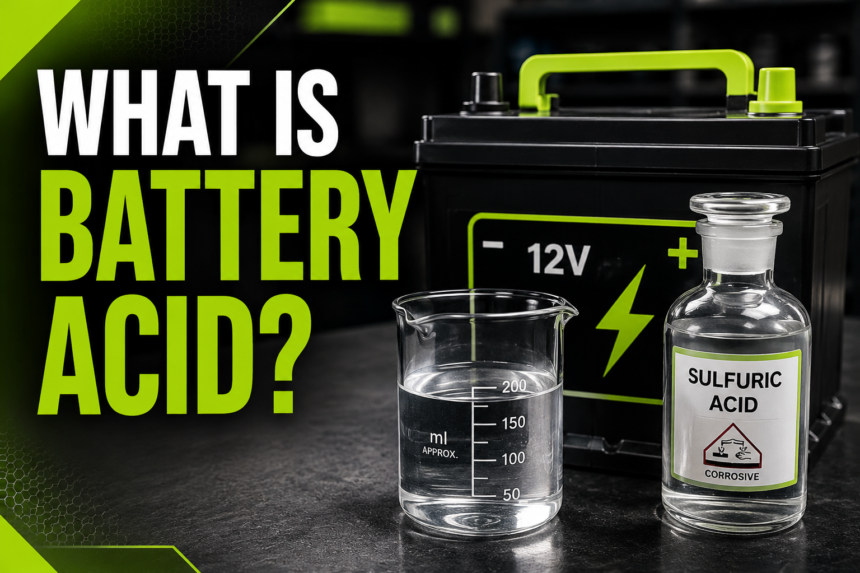
If you have ever popped open the hood of a car or replaced a household battery, you have probably come across the term “battery acid” without giving it much thought. But what is battery acid, really, and why should you care about it? In the simplest terms, battery acid is the liquid or paste-like substance inside a battery that allows electricity to be generated and stored. It is not just a random chemical sitting inside a plastic case — it plays a central, active role in how batteries produce power.
- Chemical Composition
- How Battery Acid Works?
- Types of Batteries and Their Acids/Electrolytes
- Physical and Chemical Properties
- Dangers and Hazards
- Safety and First Aid
- Handling and Storage Guidelines
- Battery Acid Leaks and Spills
- Environmental Impact
- Disposal and Recycling
- Myths and Misconceptions
- Frequently Asked Questions (FAQs)
- Conclusion
- Related Articles
Understanding what is battery acid becomes especially important when you consider how often we interact with batteries in daily life. From the battery in your car to the ones powering your television remote, smoke detector, or smartphone, these small devices rely on a chemical reaction involving this acid or its alkaline cousin. Knowing what it is made of, how it behaves, and how to handle it safely can help you avoid injuries, prevent property damage, and protect the environment.
This guide walks through everything you need to know: the chemistry behind battery acid, its role in different types of batteries, the risks it poses, and how to manage it responsibly, whether you are dealing with a leaking car battery or disposing of old household batteries.
Chemical Composition
When people ask what is battery acid, they are usually referring to one specific compound: sulfuric acid. However, the term can apply to different substances depending on the type of battery involved.
Sulfuric acid (H₂SO₄) is the acid found in traditional lead-acid batteries, the kind used in most gasoline-powered cars, motorcycles, and backup power systems. This is a highly corrosive, colorless to slightly yellow liquid that reacts with lead plates inside the battery to generate electrical current.
Potassium hydroxide (KOH), on the other hand, is not technically an acid at all — it is a strong base. It is the electrolyte used in alkaline batteries, the everyday disposable batteries found in remote controls, flashlights, and toys. Even though people often call it “battery acid” out of habit, it is chemically the opposite of an acid.
Other types of batteries use different electrolyte formulas entirely. Lithium-ion batteries, for example, typically use lithium salts dissolved in an organic solvent rather than a traditional acid or base. Nickel-cadmium and nickel-metal hydride batteries also rely on alkaline electrolytes similar to potassium hydroxide.
The table below summarizes the main electrolyte types by battery category:
| Battery Type | Common Electrolyte | Acidic or Alkaline |
|---|---|---|
| Lead-acid (car batteries) | Sulfuric acid (H₂SO₄) | Acidic |
| Alkaline (AA, AAA) | Potassium hydroxide (KOH) | Alkaline |
| Lithium-ion | Lithium salt in organic solvent | Neither (non-aqueous) |
| Nickel-cadmium (NiCd) | Potassium hydroxide (KOH) | Alkaline |
| Nickel-metal hydride (NiMH) | Potassium hydroxide (KOH) | Alkaline |
How Battery Acid Works?
Battery acid does far more than sit passively inside a battery casing. It is the electrolyte, meaning it is the medium that allows ions to move between the battery’s positive and negative plates. This ion movement is what creates the flow of electricity you rely on to start your car or power your device.
In a lead-acid battery, sulfuric acid reacts with lead dioxide on one plate and sponge lead on the other. During discharge, the acid reacts with both plates to produce lead sulfate and release electrons, which flow out of the battery as electric current. When the battery is recharged, this chemical reaction runs in reverse, restoring the plates and the acid to something closer to their original state.
The concentration of the acid matters a great deal. A fully charged lead-acid battery has a higher concentration of sulfuric acid, while a discharged battery has more water and less acid, since some of the sulfuric acid molecules have been converted to lead sulfate during use. This is actually why mechanics can test a battery’s charge level by measuring the acid’s density with a hydrometer.
Types of Batteries and Their Acids/Electrolytes
To fully answer what is battery acid, it helps to look at how different battery categories use their electrolytes in practice.
Lead-acid batteries are the heavy-duty batteries found under the hood of most gasoline vehicles. They rely on sulfuric acid and are known for being able to deliver a large burst of current, which is necessary for starting an engine.
Alkaline batteries are the disposable batteries most people use in remote controls, flashlights, and small electronics. Despite the “battery acid” nickname, they actually use an alkaline paste rather than a true acid.
Lithium-ion batteries power most modern smartphones, laptops, and electric vehicles. Their electrolyte is fundamentally different from older battery chemistries, using lithium salts rather than sulfuric acid or potassium hydroxide.
Nickel-cadmium and nickel-metal hydride batteries are rechargeable batteries often used in power tools, older cordless phones, and some hybrid vehicles. Like alkaline batteries, they use a potassium hydroxide-based electrolyte.
Physical and Chemical Properties
Battery acid, specifically sulfuric acid used in lead-acid batteries, has a few distinct physical and chemical characteristics worth knowing:
- It typically appears clear to slightly yellow or brownish, depending on impurities and battery age.
- It has a sharp, pungent smell, especially noticeable if a battery is overcharged or damaged.
- Its pH is extremely low, often close to 1, making it highly acidic and corrosive to skin, metal, and fabric.
- The concentration in a car battery is generally diluted with water to around 30–50% sulfuric acid by weight, rather than being used at full industrial strength.
- It has a higher density than plain water, which is why hydrometers can be used to measure a battery’s state of charge.
Because of its strong acidity, even small amounts of exposure can cause chemical burns, making careful handling essential.
Dangers and Hazards
One of the most important reasons to understand what is battery acid is safety. This substance can pose serious risks if mishandled.
Direct contact with skin can cause chemical burns, irritation, and tissue damage, since sulfuric acid is highly corrosive. If it comes into contact with the eyes, it can cause severe irritation or even permanent damage if not flushed out immediately with water.
Inhaling fumes from a battery, especially one that is overheating, overcharging, or physically damaged, can irritate the respiratory system and cause coughing or difficulty breathing.
Battery acid can also react dangerously with certain metals and chemicals, generating heat or releasing gases. In lead-acid batteries specifically, the charging process produces hydrogen gas, which is highly flammable. In an enclosed space with poor ventilation, a small spark near a charging battery can potentially trigger a fire or explosion.
Safety and First Aid
Because of these hazards, taking safety precautions is critical whenever you are working near batteries.
Protective equipment such as acid-resistant gloves, safety goggles, and old clothing you don’t mind damaging are strongly recommended anytime you’re handling a battery that might leak or need servicing.
If skin contact occurs, the area should be rinsed with plenty of cool water for at least 15 minutes, and any contaminated clothing should be removed. Medical attention should be sought if irritation or burning persists.
If eye contact occurs, flushing the eyes continuously with clean water for at least 15 minutes is essential, followed by prompt medical evaluation, since eye tissue is especially sensitive to acid damage.
If battery acid is ingested or inhaled, it is important to seek emergency medical help right away rather than attempting home remedies, as internal exposure can cause serious harm.
Handling and Storage Guidelines
Proper handling and storage go a long way toward preventing accidents involving battery acid.
Batteries should be stored upright, in a cool, dry, well-ventilated space, away from direct sunlight and extreme temperatures, which can cause the acid inside to expand or leak. It’s also wise to keep batteries away from metal objects that could cause short circuits.
When transporting batteries, especially larger lead-acid types, they should be secured so they cannot tip over, and any exposed terminals should be covered to prevent accidental sparking.
Some common mistakes people make include storing batteries near open flames or heat sources, mixing old and new batteries in the same device, and ignoring visible corrosion or swelling, all of which can increase the risk of leaks or ruptures.
Battery Acid Leaks and Spills
Knowing how to identify and respond to a leak is another practical aspect of understanding what is battery acid.
Signs of a leaking battery often include a white, crusty, or powdery residue around the terminals, a noticeable acidic smell, swelling or bulging of the battery casing, and reduced device performance.
Safe cleanup typically starts with putting on gloves and eye protection, then carefully removing the affected battery using a tool rather than bare hands if there’s visible corrosion. Baking soda mixed with water is commonly used to neutralize sulfuric acid residue, since it is mildly alkaline and reacts with the acid to reduce its corrosiveness. After neutralizing, the area should be wiped clean and dried thoroughly.
It’s worth noting that neutralizing agents differ depending on whether you’re dealing with acidic battery acid or the alkaline paste from an alkaline battery; a mild acid like vinegar or lemon juice is often used to neutralize alkaline residue instead of baking soda.
Environmental Impact
Battery acid doesn’t just pose a risk to people — it can also affect the environment if not managed responsibly.
If sulfuric acid or heavy metals from batteries leach into soil or water sources, they can harm plant life, contaminate groundwater, and disrupt local ecosystems. Lead, which is present in lead-acid batteries, is particularly concerning because it can accumulate in the environment and pose long-term health risks to humans and wildlife alike.
Because of these risks, most regions have regulations governing how batteries and their acidic or alkaline components must be disposed of, often requiring specialized recycling facilities rather than standard landfill disposal.
Disposal and Recycling
Batteries should never be thrown into regular household trash. Doing so risks acid leakage into landfills, potential fires from damaged batteries, and unnecessary environmental contamination.
Recycling centers are equipped to safely extract and neutralize battery acid, recover valuable materials like lead and plastic, and process them for reuse in new batteries or other products. Many auto parts stores and electronics retailers also offer battery take-back programs, making recycling more accessible.
While specific legal requirements vary by country and region, a growing number of places now mandate battery recycling or offer incentives for proper disposal, reflecting increased awareness of the environmental impact of improperly discarded batteries.
Myths and Misconceptions
There are a few common misunderstandings worth clearing up when discussing what is battery acid.
One myth is that all batteries contain the same type of acid. As covered earlier, this isn’t true — alkaline, lithium-ion, and lead-acid batteries all use different electrolyte chemistries.
Another misconception is that battery acid exposure is always immediately obvious. In reality, small leaks can sometimes go unnoticed until corrosion has already caused damage to a device or its surroundings.
Some people also believe that any household chemical can safely neutralize battery acid. While baking soda works well for sulfuric acid, using the wrong substance can sometimes create additional hazardous reactions, so it’s best to use a known, safe neutralizing agent.
Frequently Asked Questions (FAQs)
Is battery acid the same in all batteries? No. Lead-acid batteries use sulfuric acid, while alkaline and many rechargeable batteries use potassium hydroxide, and lithium-ion batteries use an entirely different lithium-salt electrolyte.
Can battery acid be neutralized at home? Yes, in many cases. Baking soda and water is a common household method for neutralizing sulfuric acid spills, though protective gear should still be worn during cleanup.
How long does battery acid stay hazardous? Battery acid remains hazardous until it is properly neutralized or diluted. Left untreated, dried residue can still cause skin or eye irritation if disturbed.
Is it safe to touch a corroded battery? It’s best to avoid direct contact. Wearing gloves and using a tool to handle corroded batteries reduces the risk of skin irritation or burns from residual acid.
Conclusion
So, what is battery acid at its core? It is the essential chemical component — usually sulfuric acid in lead-acid batteries or potassium hydroxide in alkaline batteries — that enables the flow of electricity we depend on every day. While it plays a vital role in powering everything from cars to household electronics, it also comes with real risks, including chemical burns, environmental harm, and fire hazards if mishandled.
By understanding the chemistry behind battery acid, recognizing the signs of leaks, following proper safety and storage practices, and disposing of batteries responsibly, you can enjoy the convenience of battery-powered devices while minimizing the risks they carry. Whether you’re a car owner checking your battery for the first time or simply curious about the science behind everyday power sources, knowing the basics of battery acid helps you stay safe and informed.
Related Articles
Are Super Start Batteries Good? An Honest Look
Can a Battery Be Too Dead to Jump? When a Jump Works and When It Won’t
Can a Bad Starter Drain a Battery?
Does Low Battery Mode Charge Slower? The Real Answer Explained