


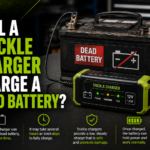
Trickle charging a car battery usually takes anywhere between 24 to 48 hours if the battery is completely dead, while a partially discharged battery may only need 6 to 12 hours to reach a full charge.
- What Is a Trickle Charger?
- How Trickle Charging Works Internally
- How Long Does It Actually Take to Trickle Charge a Car Battery?
- Key Factors That Affect Trickle Charging Time
- Step-by-Step Guide to Trickle Charging a Car Battery Safely
- Preparing the Battery and Charger
- Connecting the Charger Correctly
- Monitoring and Disconnecting Safely
- Signs Your Car Battery Is Fully Charged
- Trickle Charging vs Fast Charging vs Jump-Starting
- Common Mistakes to Avoid While Trickle Charging
- Can You Overcharge a Battery on a Trickle Charger?
- FAQs
- Can I leave a trickle charger on overnight?
- Does trickle charging damage the battery?
- How often should I trickle charge a stored car?
- Can a trickle charger revive a completely dead battery?
- Conclusion
- Related Articles
The exact time always depends on the battery’s amp-hour rating, the charger’s output, and how deeply the battery has been drained. Since trickle chargers work at a very low and steady amperage, they charge slowly on purpose, which protects the internal plates from damage and heat buildup.
This slow approach makes trickle charging one of the safest ways to restore a battery, especially for vehicles that sit unused for long periods. In the sections below, every factor that affects charging time is explained in detail so you can estimate your own charging time accurately.
What Is a Trickle Charger?
A trickle charger is a low-amperage charging device designed to slowly restore power to a car battery without stressing its internal components. It works differently from a regular fast charger because it prioritizes safety and battery health over speed.
How a Trickle Charger Works
A trickle charger sends a small, constant stream of electricity into the battery, usually between 1 and 2 amps. This slow current allows the battery’s chemical reaction to happen gradually, which reduces heat and prevents the plates inside from warping.
Because the charging rate is so low, it can safely be left connected for extended periods without immediate risk of damage.
Trickle Charger vs Battery Maintainer
Although the two terms are often used interchangeably, a battery maintainer includes a smart circuit that stops charging once the battery reaches full capacity and resumes only when voltage drops.
A basic trickle charger lacks this automatic cutoff, meaning it requires more manual monitoring. Understanding this difference helps you choose the right tool depending on whether you’re actively charging or storing a vehicle long-term.
How Trickle Charging Works Internally
Trickle charging relies on basic battery chemistry, where a slow electrical current reverses the discharge process happening inside the lead-acid cells. Understanding this process helps explain why the charging speed is intentionally kept low.
The Charging Process Explained Simply
Inside a car battery, lead plates and sulfuric acid interact to produce electricity, and this reaction naturally reverses when an external charger applies current.
A trickle charger feeds electrons back into the battery at a pace that matches the battery’s natural chemical absorption rate. This prevents excessive gassing, overheating, or acid stratification, all of which can shorten battery life if charged too quickly.
Why Voltage and Amperage Both Matter
Voltage determines the charger’s ability to push current into the battery, while amperage determines how much current actually flows at any given moment.
A trickle charger typically operates at standard voltage but restricts amperage to a low, steady rate. This balance is exactly why the question of how long to trickle charge a car battery depends so heavily on both these values working together.
How Long Does It Actually Take to Trickle Charge a Car Battery?
The most accurate way to determine charging time is to look at the battery’s current charge level alongside its total capacity in amp-hours. Below are practical estimates based on real-world charging scenarios.
Charging Time Based on Battery Condition
| Battery Condition | Estimated Trickle Charging Time |
| Fully dead battery | 24 to 48 hours |
| Partially discharged (around 50%) | 6 to 12 hours |
| Light maintenance top-off | 2 to 4 hours |
A completely dead battery naturally takes the longest because it needs to rebuild its full chemical charge from almost nothing. A partially discharged battery charges faster since less capacity needs to be restored.
Light top-off charging is quick because it’s simply maintaining an already healthy charge level rather than rebuilding one from scratch.
Charging Time Based on Battery Size and Charger Amperage
| Battery Size (Ah) | 1 Amp Charger | 2 Amp Charger |
| 40 Ah | 40 hours | 20 hours |
| 50 Ah | 50 hours | 25 hours |
| 70 Ah | 70 hours | 35 hours |
A simple formula can help you estimate this yourself: divide the battery’s amp-hour rating by the charger’s amperage output. For example, a 50 Ah battery charged with a 2 amp charger will take roughly 25 hours to reach full capacity under normal conditions.
This calculation gives a reliable baseline, though real-world results may vary slightly due to battery age and temperature.
Key Factors That Affect Trickle Charging Time
Charging time is never fixed, since several physical and environmental conditions influence how quickly a battery accepts charge. Knowing these factors helps you plan realistic charging expectations.
Battery Size and Age
Larger batteries with higher amp-hour ratings naturally take longer to charge because there is simply more capacity to fill. Older batteries also charge more slowly and may never reach full capacity again due to internal plate degradation, even with a properly functioning charger.
Temperature Conditions
Cold weather slows down the chemical reaction inside the battery, which directly increases the time it takes to reach a full charge.
In very low temperatures, it’s common for trickle charging to take noticeably longer than the standard estimates, so patience is especially important during winter months.
Depth of Discharge and Battery Type
A battery drained closer to zero will always require more charging time than one that still holds partial power.
Additionally, different battery chemistries such as standard lead-acid, AGM, and lithium each have unique charging characteristics, meaning the same charger may behave differently depending on the battery type connected.
Step-by-Step Guide to Trickle Charging a Car Battery Safely
Following the correct steps not only protects the battery but also ensures the charging process works as efficiently as possible. This section walks through the full process from start to finish.
Preparing the Battery and Charger
Before connecting anything, make sure the vehicle is turned off and parked in a well-ventilated area, since batteries can release small amounts of gas while charging. Inspect the battery terminals for corrosion and clean them if necessary, as dirty connections can slow down the charging process significantly.
Connecting the Charger Correctly
Always connect the positive clamp to the positive terminal first, followed by the negative clamp to a solid metal ground point away from the battery itself. This order reduces the risk of sparking and keeps the connection process safe for both the battery and the person handling it.
Monitoring and Disconnecting Safely
Once charging begins, periodically check the charger’s indicator lights or display to track progress without needing to guess. When charging is complete, always disconnect the negative clamp first, followed by the positive clamp, to maintain the same safety sequence used during setup.
Signs Your Car Battery Is Fully Charged
Recognizing when a battery has finished charging prevents unnecessary overcharging and helps you disconnect at the right time. There are a few reliable indicators to watch for during the process.
Charger Indicator Lights
Most trickle chargers include a light or display that changes color or pattern once the battery reaches full capacity. This is usually the simplest way to confirm charging status without needing extra tools.
Voltage Readings With a Multimeter
A fully charged car battery typically reads around 12.6 volts or higher when resting without any load connected. Using a multimeter to confirm this reading offers a more precise way to verify charge levels, especially if your charger lacks a built-in indicator.
Trickle Charging vs Fast Charging vs Jump-Starting
Each charging method serves a different purpose, and understanding these differences helps you choose the right one for your specific situation. The comparison below breaks down the main distinctions.
Comparing Speed, Safety, and Best Use Cases
| Method | Typical Time | Battery Health Impact | Best Use Case |
| Trickle Charging | 6 to 48 hours | Very gentle, low stress | Long-term storage or deep discharge |
| Fast Charging | 1 to 4 hours | Higher heat, more wear over time | Quick daily top-offs |
| Jump-Starting | A few minutes | No real charging, temporary power | Emergency starts only |
Trickle charging remains the safest long-term option because it avoids the heat and stress associated with faster methods. Fast charging is convenient in a pinch but can gradually reduce battery lifespan if used too frequently. Jump-starting, on the other hand, doesn’t actually charge the battery at all and should only be treated as a temporary emergency solution.
Common Mistakes to Avoid While Trickle Charging
Even though trickle charging is considered safe, certain mistakes can still reduce its effectiveness or shorten battery life. Being aware of these common errors helps you avoid unnecessary damage.
Leaving a Basic Charger Unattended for Too Long
Unlike a smart maintainer, a basic trickle charger without an automatic cutoff can overcharge a battery if left connected far beyond the required charging time. This can lead to excessive gassing and, in some cases, permanent battery damage.
Using the Wrong Charger for the Battery Type
Different battery chemistries require slightly different charging profiles, and using an incompatible charger can result in incomplete charging or reduced battery performance. Always check that your charger is rated for your specific battery type before connecting it.
Can You Overcharge a Battery on a Trickle Charger?
While trickle chargers are designed to be gentle, overcharging is still possible under certain conditions, particularly with older or basic models. Understanding this risk helps you charge more responsibly.
Built-In Cutoff Features
Modern smart chargers and maintainers include automatic sensors that stop charging once the battery reaches full capacity, significantly reducing the risk of overcharging. These features make them a safer choice for anyone who tends to forget disconnecting the charger manually.
When to Switch to a Maintainer Instead
If you frequently store a vehicle for weeks or months at a time, switching to a battery maintainer is a smarter long-term choice than relying on a basic trickle charger. Maintainers automatically regulate charge levels, keeping the battery healthy without requiring constant supervision.
FAQs
Can I leave a trickle charger on overnight?
Yes, most trickle chargers are designed for overnight use, though it’s best to use one with an automatic cutoff feature to avoid overcharging.
Does trickle charging damage the battery?
No, trickle charging is actually one of the gentlest charging methods available and is unlikely to cause damage when used correctly.
How often should I trickle charge a stored car?
For vehicles in long-term storage, charging once every four to six weeks is generally sufficient to maintain battery health.
Can a trickle charger revive a completely dead battery?
In many cases yes, though a battery that has been dead for an extended period may not fully recover its original capacity.
Conclusion
Knowing how long to trickle charge a car battery ultimately comes down to understanding your battery’s size, its current charge level, and the amperage of your charger.
Most batteries take between 6 and 48 hours depending on these factors, and following the correct safety steps ensures the process remains both effective and damage-free. Whether you’re maintaining a stored vehicle or reviving a drained battery, trickle charging remains one of the most reliable and battery-friendly charging methods available today.
Related Articles
How Long Does a Battery Take to Charge? Complete 2026 Guide
How to Replace a Garage Door Remote Battery – Easy Step-by-Step Guide
How to Fix a Battery Discharge Warning On Kia: Complete Guide
Are NAPA Batteries Good? Honest Review, Pros, Cons & Buying Guide